
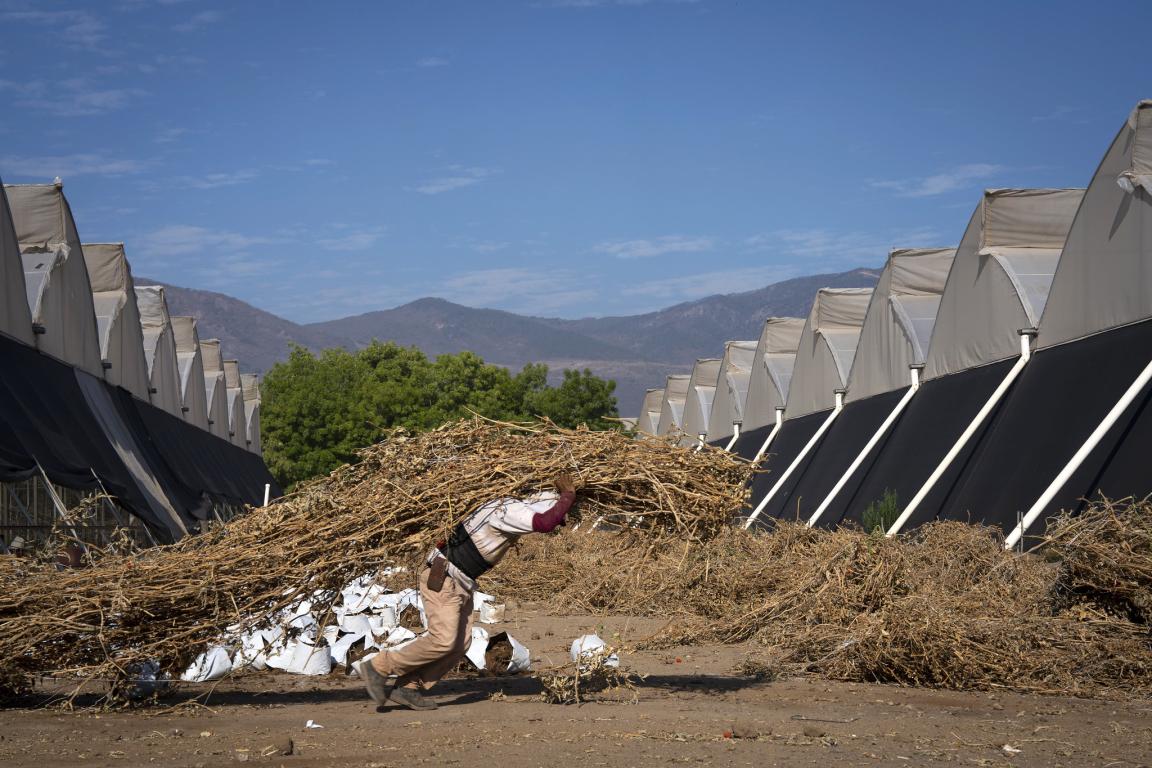
Heat stress is an increasingly significant challenge for the world of work, posing risks to workers’ safety and health, reducing productivity and affecting businesses and the wider economy, as well as society. The International Labour Organization (ILO), with support from the Climate Vulnerable Forum and the Vulnerable 20 Finance Ministers (CVF–V20) and with funding provided through the CVF–V20 Joint Multi-Donor Fund, commissioned a series of country studies examining the impacts of heat stress on jobs and productivity in Ethiopia, Ghana, Lebanon, Maldives, Senegal and Sri Lanka. Authored by Prof. Andreas D. Flouris and his team at the University of Thessaly, Greece, the studies link climate projections, labour market data and economic modelling to assess the current and future impacts of heat stress on employment, occupational safety and health and productivity.
This event presents the findings of the studies and provides an opportunity for policymakers, employers’ and workers’ organizations and other stakeholders to reflect on the growing impacts of heat stress on the world of work and explore measures to address them.
Live interpretation: English and French.
Dialog
Dialog